
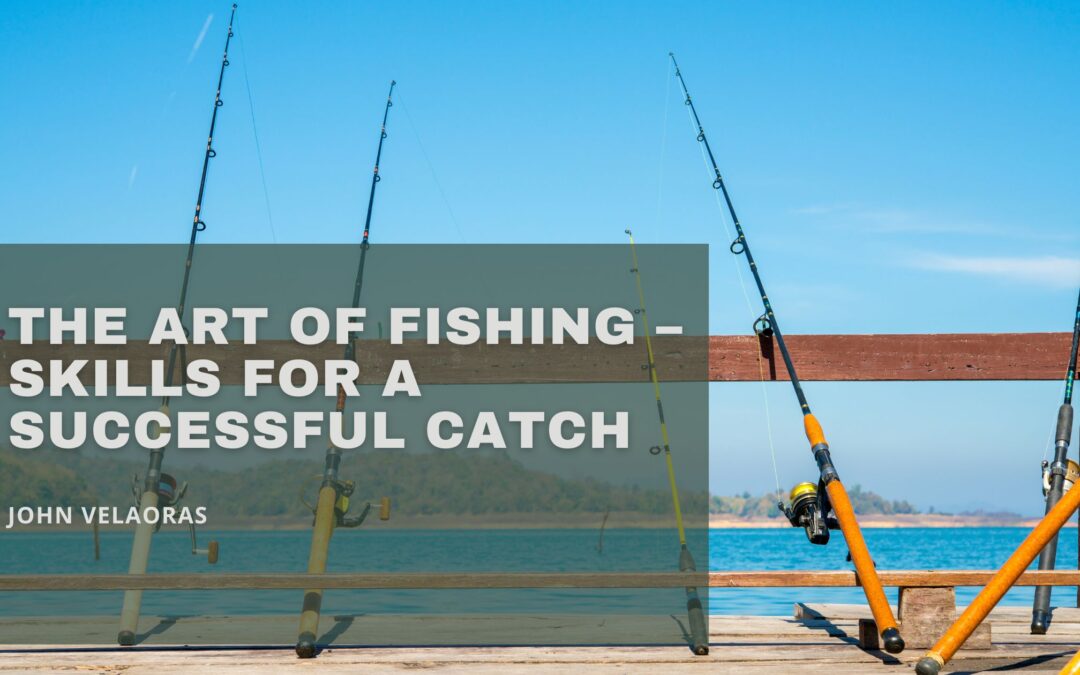
Fishing is more than just a hobby—it’s a blend of art, patience, and skill that connects people to nature while offering a sense of accomplishment and tranquility. Whether you’re standing by the shores of a serene lake, casting your line in a swift river, or venturing out to sea, fishing is an enriching experience that requires the right skills, techniques, and mindset. Let’s dive into what it takes to become an adept angler and truly enjoy this age-old practice.
1. Understanding the Basics
Before setting out on your fishing adventure, mastering the basics is essential. Familiarize yourself with different types of fishing—such as freshwater, saltwater, fly fishing, or ice fishing—because each requires specific tools and techniques. Researching the fish species in your target area and understanding their habits, habitats, and feeding patterns is equally critical. A solid foundation of knowledge sets the stage for success.
2. Choosing the Right Gear
The fishing equipment you choose plays a significant role in your success. Key pieces of gear include:
- Fishing Rod and Reel: Select a rod and reel based on the type of fishing you’ll do and the species you’re targeting.
- Fishing Line: Different lines are suited for various conditions; monofilament, braided, or fluorocarbon lines each have unique strengths.
- Hooks and Bait: Choose the appropriate size and type of hook, along with bait—whether live, artificial, or fly—to attract the fish you’re after.
- Tackle Box: A well-stocked tackle box with extra hooks, lures, sinkers, and tools like pliers ensures you’re prepared for any situation.
Understanding how to assemble and maintain your gear is crucial. A skilled angler knows how to match the equipment to the environment and fish species to maximize efficiency.
3. Casting Techniques
Casting is one of the most fundamental skills in fishing. It requires practice and precision. There are various casting methods, such as:
- Overhead Cast: Ideal for long-distance casting in open water.
- Sidearm Cast: Useful for low, tight spaces.
- Fly Casting: Essential for fly fishing, it involves precise timing and control of the line.
Mastering these techniques ensures your bait lands accurately in the water, increasing your chances of a successful catch.
4. Reading the Water
Successful fishing depends heavily on your ability to read the water and understand fish behavior. Observing water currents, temperatures, and structures like rocks, logs, or weed beds can provide clues about where fish might be hiding. Learning to recognize feeding zones, such as areas with abundant insects or smaller fish, will guide you to the best fishing spots.
5. Patience and Perseverance
Fishing is a game of patience. Even the most skilled anglers can spend hours without a bite. Cultivating patience allows you to remain focused and persistent, increasing the likelihood of success. Each outing is a learning experience—studying what works and adapting to different conditions is key to improvement.
6. Knot Tying
Knot tying is a skill every angler must master. A secure knot ensures your bait stays in place, your line doesn’t break under pressure, and your connection to the fish remains strong. Some commonly used knots include:
- Improved Clinch Knot: A versatile knot for securing hooks or lures.
- Palomar Knot: Known for its strength, perfect for braided lines.
- Loop Knot: Allows for natural bait movement.
Practicing these knots until they become second nature is essential for any successful fishing trip.
7. Weather Awareness
Understanding weather patterns and their impact on fishing is crucial. Fish behavior changes with variations in temperature, barometric pressure, and light conditions. For example, overcast skies are often ideal for fishing, as fish are more active in low-light conditions. Staying informed about weather changes also ensures your safety while on the water.
8. Physical and Mental Preparedness
Fishing can be physically demanding, especially in rough waters or during long sessions. Building endurance and maintaining strength can make your experience more enjoyable. Mentally, staying calm and focused is equally important—especially when reeling in a tough catch. A strong mindset will keep you sharp and determined throughout the process.
9. Conservation Ethics
A true angler respects nature and adheres to ethical fishing practices. This includes:
- Following local fishing regulations and catch limits.
- Practicing catch-and-release to preserve fish populations.
- Avoiding littering and keeping the fishing environment clean.
By being a responsible fisherman, you contribute to the sustainability of aquatic ecosystems.
10. Building Community and Learning
Fishing is not just an individual sport—it’s also a community-driven activity. Joining local fishing clubs, attending workshops, or participating in tournaments can help you learn from experienced anglers. Sharing stories, tips, and techniques enriches your skills and strengthens your passion for the sport.
Conclusion
Fishing is a rewarding activity that combines skill, knowledge, and a deep connection to nature. As you develop your techniques, master the tools, and hone your instincts, you’ll find that each fishing trip offers unique challenges and moments of joy. With patience, preparation, and respect for the environment, fishing becomes not just a pastime but a lifelong adventure. Whether you’re a seasoned angler or a curious beginner, the art of fishing is waiting to reel you in.